
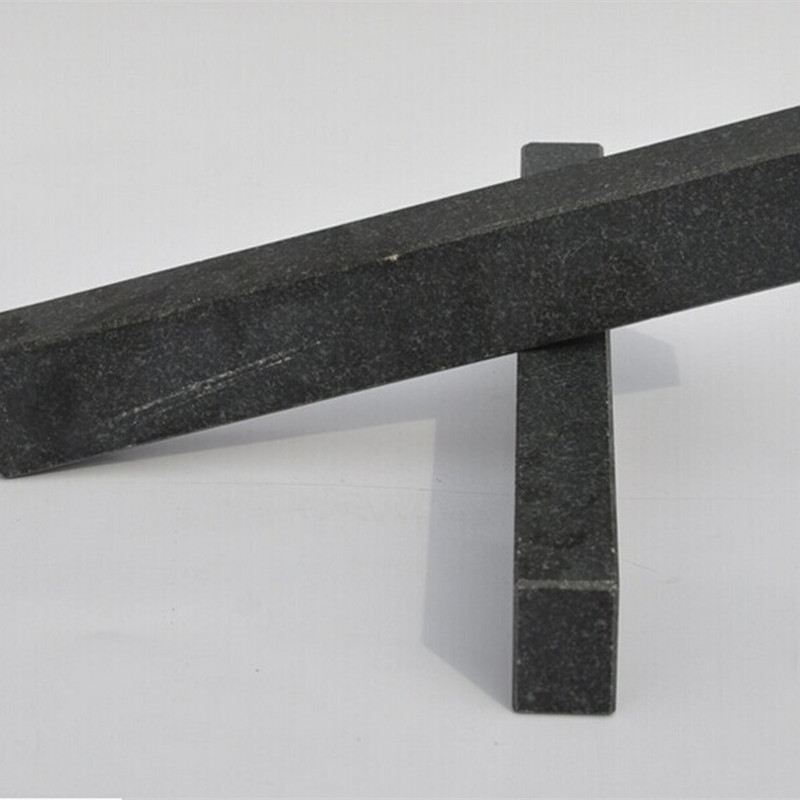
dark grey float glass
Understanding Small Globe Valves A Comprehensive Overview Small globe valves are key components in various fluid control systems, playing a significant role in regulating flow, providing shut-off capabilities, and ensuring safety in numerous applications. These valves are favored for their design, which allows for precise flow control, making them an essential choice in industries ranging from water treatment to chemical processing and HVAC systems. What is a Small Globe Valve? A globe valve is a type of valve that regulates the flow of fluid through the valve by raising or lowering a disk or plug inside a spherical body. The design includes a small, usually compact size—hence the term small globe valve, which makes them highly versatile. The small size allows for installation in tight spaces while still delivering excellent performance. The valve body is typically made from materials like brass, stainless steel, or plastic, chosen based on the application and the type of fluid being handled. Working Principle The operational principle of a small globe valve involves a flow path that significantly influences the pressure drop when fluid passes through the valve. In a globe valve, the fluid comes into the valve at an angle and must change direction several times as it flows through the body. This design results in a higher pressure drop compared to other valve types, like ball valves. However, this characteristic also allows for smooth and stable flow control, as the valve can be adjusted to varying degrees, providing fine-tuning of the flow rate. Advantages of Small Globe Valves 1. Precise Flow Control One of the primary advantages of small globe valves is their ability to provide detailed control over fluid flow. By adjusting the position of the stem, operators can set the valve to specific openings, allowing for meticulous regulation. small globe valve 2. Excellent Shut-Off Capability Globe valves offer reliable shut-off capabilities, making them ideal for services where tight sealing is crucial. The seated design minimizes leakage when the valve is closed. 3. Versatility Small globe valves are used in various applications, including water supply systems, oil and gas production, and pharmaceutical manufacturing. Their compact size allows for flexibility in system design and installation. 4. Durability Constructed from sturdy materials, small globe valves can withstand various pressures and temperatures, ensuring long service life with minimal maintenance. Applications Small globe valves are utilized in diverse sectors. In municipal water systems, they help manage water distribution efficiently. In oil and gas, they control the flow of fluids under high pressure. In HVAC, they regulate heating and cooling systems, ensuring optimal performance. Their widespread use attests to their reliability and functionality. Conclusion In conclusion, small globe valves are indispensable tools in various fluid-handling systems, recognized for their precise flow control, sturdy construction, and versatility across different industries. As technology evolves, the design and materials used in these valves continue to improve, ensuring they remain a critical element in the engineering of efficient and safe fluid systems. Understanding the mechanics and applications of small globe valves can lead to better selection and implementation in any project involving fluid dynamics.
about
dark grey float glass
Understanding Gate Valves A Focus on Model 1 1/4 Gate valves are a crucial component in many piping systems, utilized predominantly for on/off control of fluid flow. One such model is the 1 1/4 inch gate valve, commonly referred to in specifications as gate valve 1 1/4. This article explores the construction, operation, advantages, and applications of this particular type of valve. Construction and Design A gate valve consists of various components, including the body, bonnet, gate, stem, and actuator. The body serves as the main structure, typically made from materials such as cast iron, stainless steel, or brass, ensuring durability and resistance to corrosion. The bonnet is attached to the body, providing access to internal components for maintenance or repair. The gate, which can either be a wedge or a parallel disc, is the integral part of the valve responsible for stopping or allowing the flow of fluid. The stem connects the gate to the actuator (manual wheel or automated control system), allowing for control by turning the actuator to raise or lower the gate. Measuring 1 1/4 inches, the valve is designed to fit piping systems of the same diameter. This standard size makes it versatile and widely applicable across various industries. Operation Gate valves operate by lifting a rectangular gate out of the path of the fluid. When the valve is fully open, there is minimal restriction to the flow, leading to low-pressure drops. Conversely, when closed, the gate completely obstructs the fluid's passage. This on/off function makes gate valves particularly suitable for applications where the fluid needs to either flow freely or be entirely stopped. To operate a gate valve, one must turn the actuator. In manual valves, this often involves turning a wheel or lever. Automated versions may utilize electric, pneumatic, or hydraulic actuation systems, adding convenience and precision in control. Advantages gate valve 1 1 4 One of the primary advantages of the 1 1/4 inch gate valve is its ability to provide a tight seal when closed, preventing any leakage and ensuring system integrity. The design allows for straightforward maintenance, as the components can be accessed easily through the bonnet. Additionally, gate valves have a low flow resistance when fully open, making them highly efficient for applications requiring high flow rates. They are also available in a range of materials that can withstand various temperatures and pressures, providing flexibility for any industrial need. Applications Gate valves are used across numerous applications in various industries . A few notable examples include 1. Water Supply and Distribution In municipal water systems, gate valves control the flow and manage pressure, ensuring an adequate supply of clean water. 2. Oil and Gas These valves are essential in the oil and gas industry for controlling the flow of hydrocarbons in pipelines, storage tanks, and processing facilities. 3. Chemical Processing Gate valves are commonly found in chemical plants, where they manage the flow of corrosive and hazardous materials. 4. Fire Protection Systems Used as part of fire suppression systems, gate valves allow for quick isolation of sections of the piping network. In summary, the gate valve 1 1/4 inch is an essential device in fluid control systems, characterized by its simple yet effective design and operation. Its ability to provide a reliable seal and allow for high flow rates makes it a preferred choice in many industrial applications. Understanding its construction, operation, and versatility contributes to better system design and maintenance, ensuring safety and efficiency in fluid management.
-

High quality industrial productsagement

High quality industrial products
View Details -

Meet the diverse needs of customers

Meet the diverse needs of customers
View Details -

Strict quality control

Strict quality control
View Details -

Top raw materials

Top raw materials
View Details -

Trusted supplier

Trusted supplier
View Details
Our application

news and information
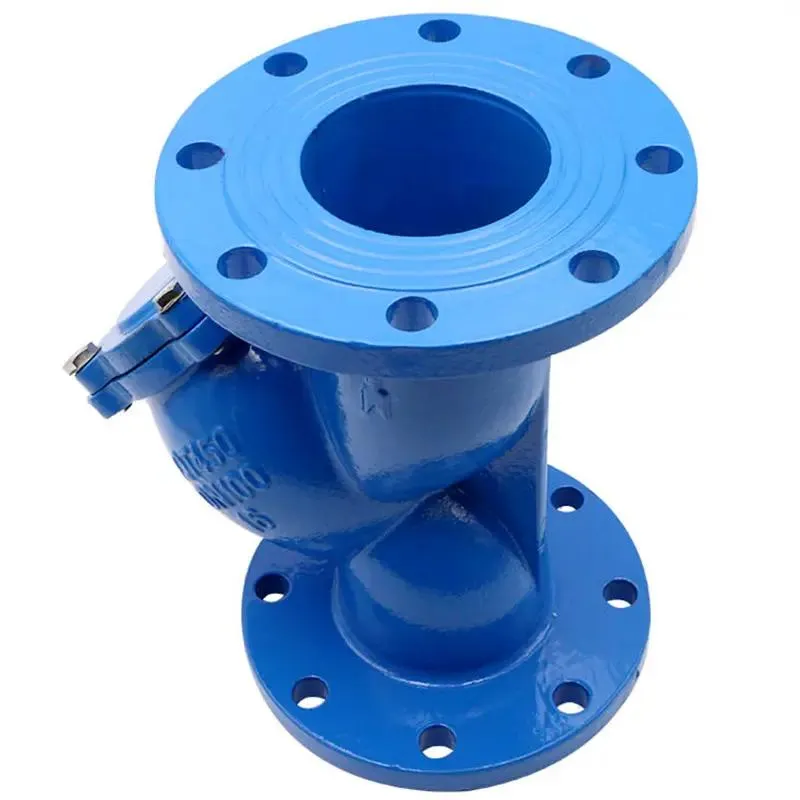
water valve won't shut off
Troubleshooting Your Water Valve Why It Won't Shut Off and How to Fix It Water valves are crucial co
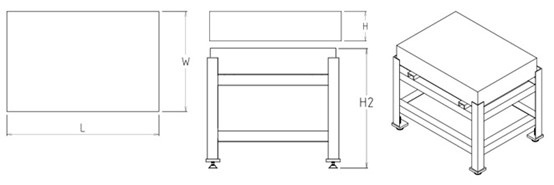
Versatile 3x6 Fabrication Table Designed for Welding Projects and Metalworking Applications
The Versatility and Importance of a 3x6 Welding Table Welding is a critical skill in various industr
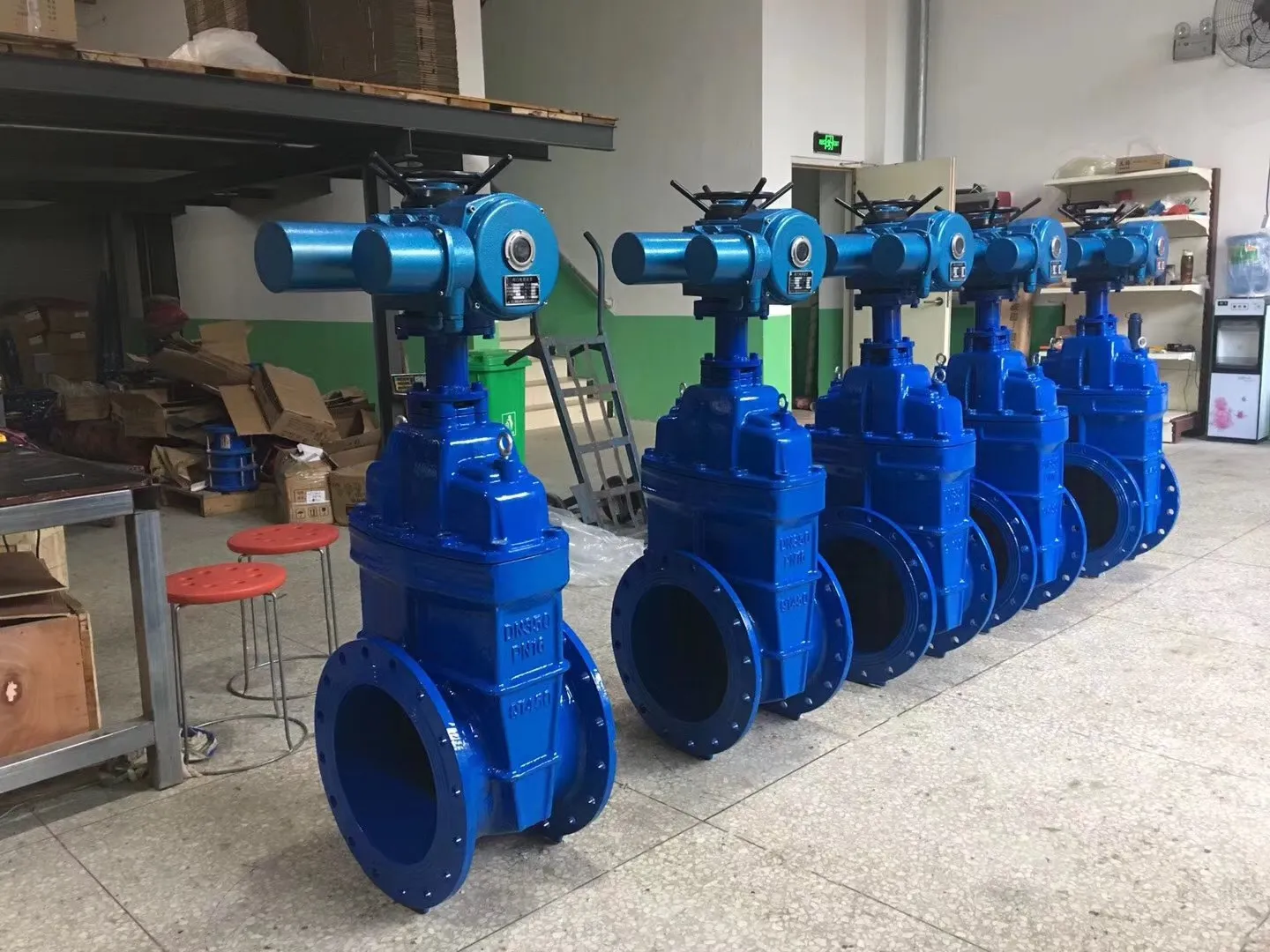
zes procent vlinderklep met actuator voor optimale prestaties en efficiëntie
De 6% Vlinderklep met Actuator Efficiëntie en Betrouwbaarheid in Regeltechniek In de wereld van rege
 English